From vibrant flowers and fresh fruits to elegant antique pieces and household items, these popular markets of the city have everything you are looking for
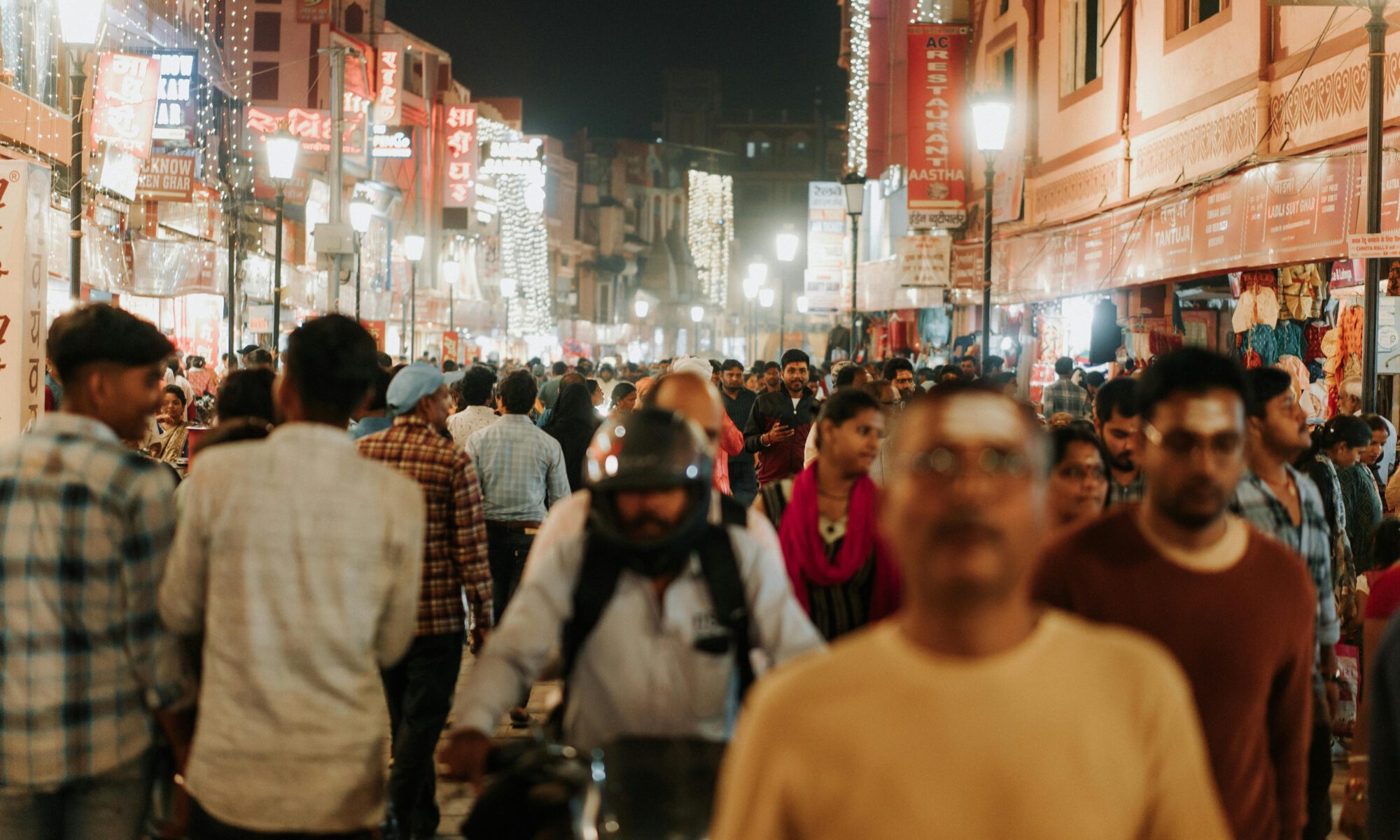
In the era of huge malls and designer stores, some markets in the city have managed to keep their charm and their crowd. People coming from all around the world to these markets have turned them into popular tourist places. Therefore, apart from a satisfactory shopping experience, these markets are great for sightseeing and multiple tour companies provide guided walks and tours in these markets.
Dadar Phool bazaar
With a huge variety of flowers coming from all around the state, the Dadar Phool Bazaar is one of the largest wholesale flower markets in the city. The market opens at around 4 am and is most active in the early morning hours till 9 am. Local vendors from all over the city prefer buying flowers from this market as they are good quality and fresh and are sold at lower rates. The vendors then make garlands and sell them locally at higher rates to earn a profit. “The demand for orange and yellow marigolds is very high during the festive seasons, especially before Dussehra and Diwali. The types of flowers you find in Dadar market range from the local flowers like roses, marigolds or hibiscus that are cheaper compared to imported varieties like tulips and peonies which are costlier,” comments Rekha Patel, a local flower vendor. Even if you are not a flower vendor, this market is worth a visit for the vibrant sights of various colourful flowers arranged systematically in different patterns.
Chor bazaar
A one-of-a-kind flea market, the Chor Bazaar was infamous for having stolen products on sale, but it is not entirely true as today, most of the products here are second-hand rather than stolen. Chor Bazaar is famous for antique pieces that can add great character to your house as home decor pieces. Some of such products are gramophones, vintage cameras, small trinkets, unique lamps and clocks, bronze statues, bollywood movie posters, distinctive doorknobs, etc. Chor Bazaar is the place to go if you can’t find a car spare part anywhere or to buy power tools like drills, nail guns, electric saws, etc. Kshipra Shete, an amateur photographer, reveals, “The chaotic atmosphere and messy shops make a great frame for aesthetic street photography making the market a popular destination for photo walks. As the market is usually crowded, there is a risk of pickpocketing so visitors should stay alert.”
Crawford market
One of the few closed markets of the city, the construction of this Gothic structure was completed in 1869. Named after Arthur Crawford, the first municipal commissioner of the city, the Crawford market is now officially renamed as Mahatma Jyotirao Phule Market to honour the great social reformer. The market has now grown even in the areas surrounding the structure making it one of the largest markets in the city. The main attraction of the market is the variety of fresh fruits and vegetables, but visitors can also find a variety of crockery, stationery, dry fruits, nuts, toys, imported foods, etc in this market. The ‘Mirchi Galli’ in the Crawford market is where you will find a range of spices and chilies from all around the country.
Colaba Causeway market
The best destination for shopping enthusiasts who love budget shopping, Colaba Causeway is the busiest street market in the city. From clothes, accessories, and footwear to handicrafts, crystals, and perfumes, this market has something for everyone. If you get tired from all the shopping, refuel at the iconic cafes which are along the market. The Colaba Causeway is frequented by tourists as there are several major tourist attractions of the city like the Gateway of India and the taj mahal palace hotel within walking distance of this market. Lakshita Borkar, a college student, shares, “You need to have strong bargaining skills while shopping at the Colaba causeway as there is a high scope to reduce the cost of all products. Some of the must-buy items at the market are junk jewellery, purses and handbags, casual clothes, and handicrafts.”
Book Street
If you are a bibliophile, this is the perfect place for you. High stacks of books arranged on the street next to the flora fountain, the book street of Mumbai has everything from poetry to academic books. You give the vendor a name of a book and he will pull it out from the wall of books within seconds. You can find both, the age-old classics, and the newest bestsellers in this open market. “You can buy brand new as well as second-hand books which are also in great condition. If you are looking for a book you cannot find online or in bookstores, you should give the book street a chance as they have a wide variety of books and at cheaper cost,” emphasises Omkar Govare a college student.
So, instead of visiting a mall or store next time give these markets a chance to grab great products and produce at reasonable rates and to have a complete shopping experience.