Revisiting The Retro Mumbai: A Dive into the City’s Art Deco Legacy

The students of Xavier Institute of Communication were accompanied on a journey down memory lane by Suhasini Krishnan, Associate Director of Art Deco Mumbai Trust, a non-profit organisation working in preserving the Art Deco style of architecture in the city. The lecture began at 11:30 am with the question ‘Where did Art Deco begin?’ Suhasini explained the origin of the style, which was in 1925 at an Exhibition of Modern Decorative and Industrial Arts in Paris. Experts from all over the world gave their interpretation of ‘Modern Architecture’, which gave rise to the Art Deco.

Moving on to its emergence in the city of Bombay, she explained the factors contributing to the city adopting it. “To accommodate the growing middle-class population, the back bay area of the city was reclaimed”, said Suhasini. She added, “And with the upcoming cement marketing companies, the style of architecture was adopted in parts of the city along the coast as cement was a primary material used in Art Deco constructions.”

It is a common misconception that the Art Deco style of architecture is only found in the Southern parts of Bombay. Suhasini showed a map of the city, which proved this wrong as it indicated that the highest concentration of Art Deco buildings is in Dadar (192) and Matunga (160). The next three places in the top areas were Fort, Bandra and Sion.

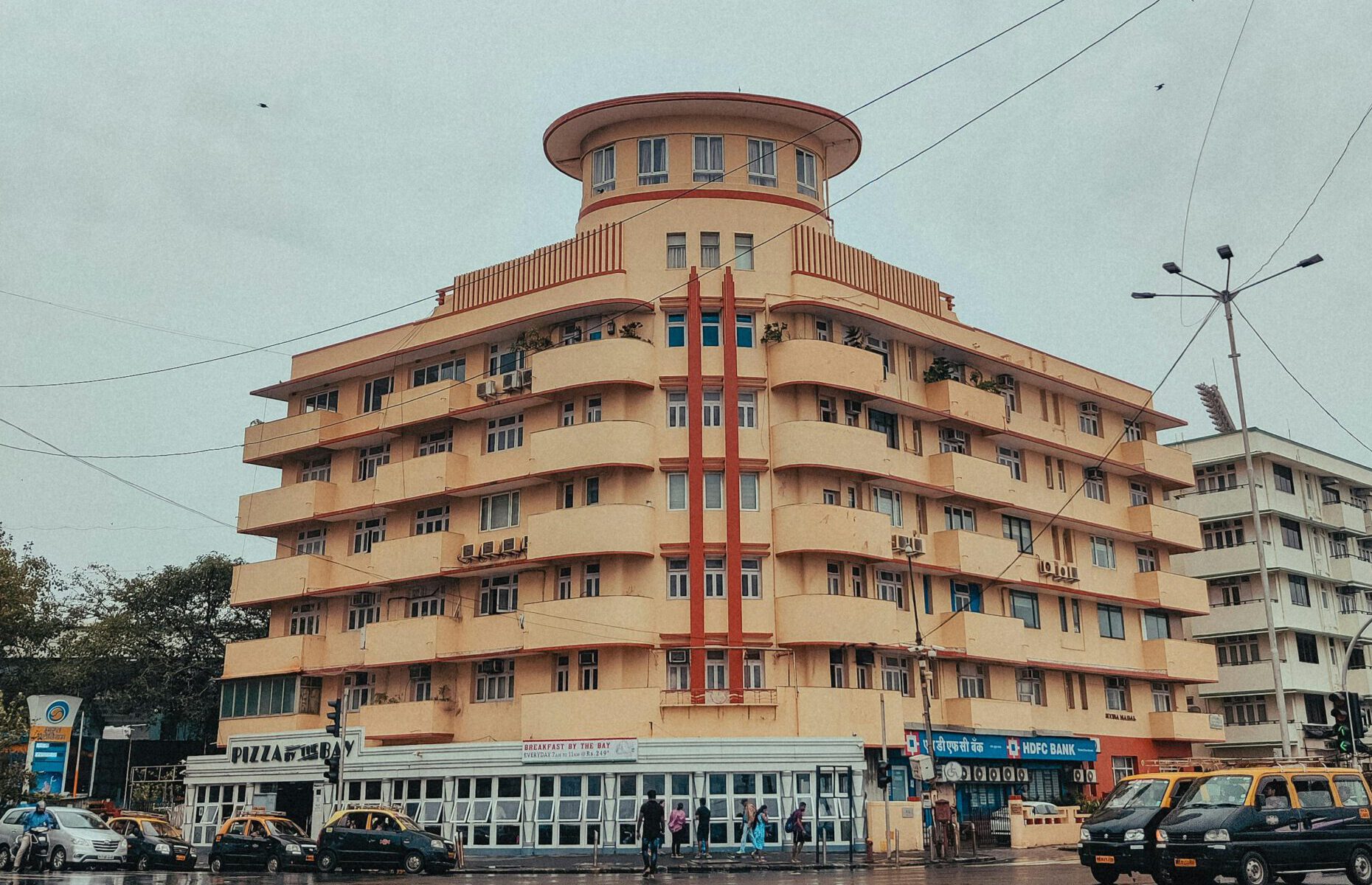
Further diving into the characteristics of the Art Deco style of building, she explained how it uses tropical features of the location these structures belong to in the decorative details. Suhasini presented pictures of a few examples, like the Sunshine Building and the Rajjab Mahal at Oval Maidan which feature stylised sunrays. The tropical features like waves, sunrays, moon, flora and fauna of the region are depicted through the grills and intricate sculptures. One iconic Art Deco building is the Shiv Shanti Bhuvan, whose highlight is the symmetrical sunshades (chajja). The residents of this building collectively decided to only get a window AC to maintain the aesthetics of the street-facing façade of the building.

The city also boasts this style of architecture in splendid recreational centres like cinema theatres. Suhasini named a few like Regal, Eros, Liberty and Metro. She mentioned, “Art Deco style is not just about the facade of the structure. It is also about the interiors of these structures that tell a story.”  Highlighting the thoughtfulness of the architects and designers, she stated how these structures, which were built in the 1930s, have facilities like lifts and headphones attached to theatre seats.

The lecture ended with a short question and answer session where students asked their queries about the Art Deco architecture. Suhasini distributed a bookmark and a map of the Art Deco structures in Mumbai printed by the Art Deco Mumbai Trust. The lecture truly encourages the class to explore the architectural heritage of the places around the city.
Mumbai’s dream of a greener tomorrow

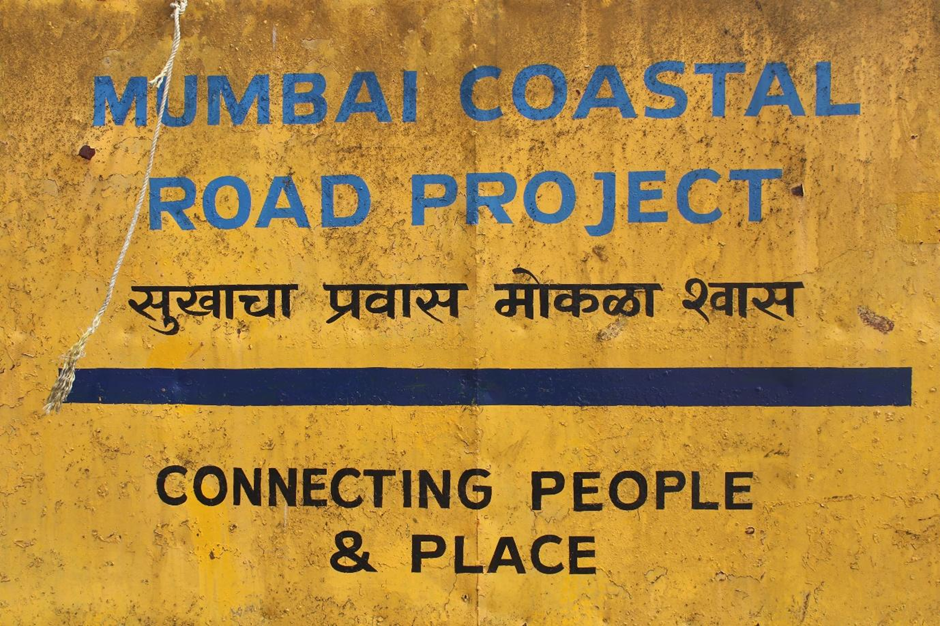
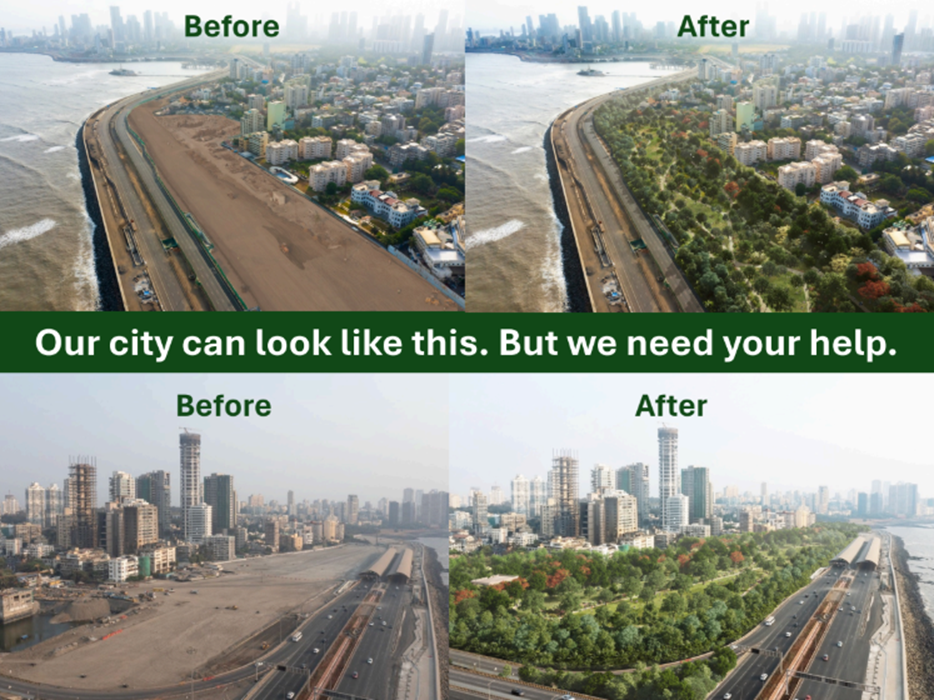
The recently inaugurated elevated nature trail walkway at Malabar Hill and its popularity among the citizens is a testament to how the people of this city cherish its green spaces. A similar demonstration of love for nature was observed as a group named ‘Mumbai Coastal Forest’ started an online petition in February, addressing PM Narendra Modi, CM Devendra Fadnavis, DCM Eknath Shinde and BMC Chief Bhushan Gagrani, to build a forest cover along the newly opened Mumbai Coastal Road. The team of MCF includes climate experts, architects and residents who deeply feel that this is an opportunity to transform the city and fight back against many environmental issues. 

The underdeveloped land along the Coastal Road is soon to be landscaped by the BMC, this project has been awarded to Reliance under Corporate Social Responsibility (CSR). While talking with M. M. Swami, Chief Engineer Mumbai Coastal Road Project, about BMS’s suggested plan for the empty land, he mentioned some of the propositions made by the city planners and architects during a one-day workshop in April 2023 while creating the coastal road landscaping plan. (Video IMG_8265) He said, “After our studies and research we have a few conditions like building a biodiversity park and butterfly garden that we will be suggesting for implementation.” (The link to video IMG_8257)

(A screenshot from the MCF summary)

The need for green space is higher than ever in the city today. “The per capita requirement for green space in the city is far lower from what is needed. Therefore this proposal of a coastal forest can definitely help the city,” informs M. M. Swami. A native forest, unlike gardens and parks, does not require much maintenance and is more sustainable. Nature treats everyone equally, therefore, we interviewed people of Mumbai from different demographics. Here is what they had to say about the need for such a space and the issues it will help tackle. (Link to a compilation of people talking about the need) The list of environmental impacts we are fighting today is a long one. Check out this article detailing about the city’s fight with ecological concerns. 

We asked Arushi Shah, a volunteer at Mumbai Coastal Forest, about their next step to push this movement forward. (Hyperlink to Arushi video) “As the residents and users of this public land, we are open to collaborate with all the stakeholders involved in the process including the private company that will be taking this plan ahead,” she said.

This initiative, if implemented, will give a boost to the Mumbai Climate Action Plan launched in 2022, to mitigate the impact of climate change. Mumbai is the city of dreams, and the future of this city is demanding a greener tomorrow.

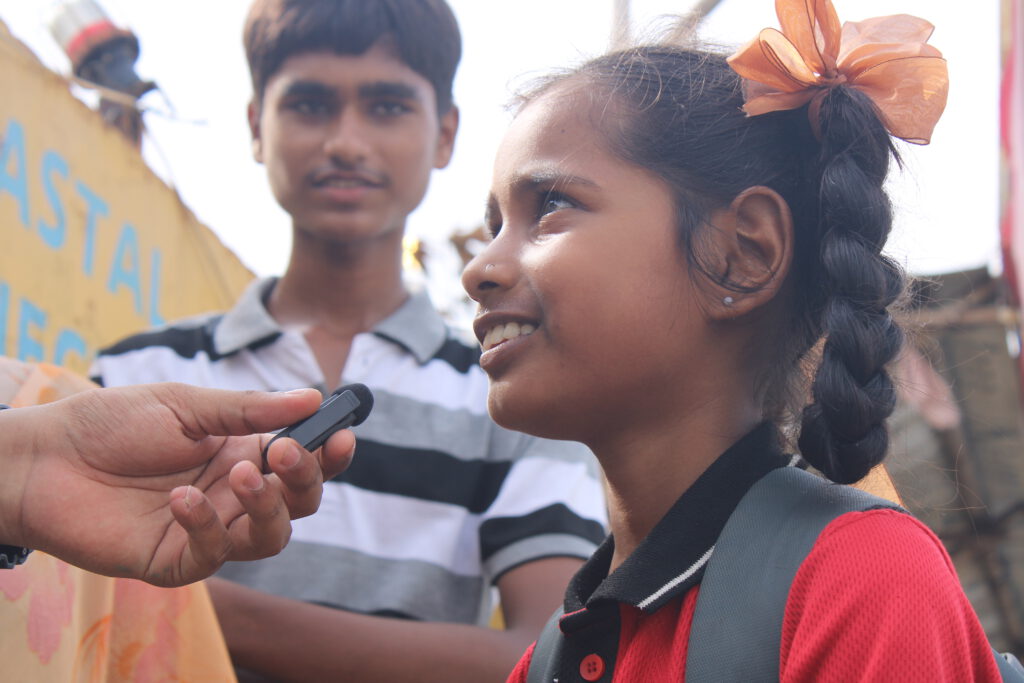
(Click here to view the interview of a 10 year old girl on the Coastal Road)

A journey from darkness to becoming the light

I lost my eyesight when I was 5 years old. A severe fever turned into meningitis, and because we lived in a small village in Latur, there was no treatment. Overnight, everything changed. For the next 12 years, I stayed home, cut off from the world outside. Eventually, I was admitted to a blind school in Mumbai. That hostel became my turning point. It gave me independence and taught me how to live without relying on anyone.

After my 10th, I moved to a regular college. Suddenly, I was alone again. Nobody spoke to me, I couldn’t study properly, and I had to constantly depend on others to read or write for me. It was humiliating. But in 12th, I heard about a course in social work. The thought of helping others clicked something inside me. I decided that this was my path. It took five years of hard work and struggle, but I completed my Master’s in Social Work from TISS. That dream I had back then? I’m living it today.

For the last 12 years, I’ve been working as a Social Service Superintendent at J.J. Hospital. I set up the Disability Information Board there, where patients get guidance about rehabilitation, government schemes, NGOs, financial help, and assistive devices. My cabin opens at 9 AM, and every day, people walk in looking for help. Sometimes, they doubt me, “Can you help us? Is there anyone else here?” They can’t comprehend that a blind person could guide them. But when they walk out with answers and hope, that’s my favourite part of the job.

Outside of work, I fought another battle. I filed a PIL against the Railways. That case changed travel for the visually impaired across India. Today, we have guiding paths, beepers at compartments, warning tiles, lifts, and escalators. However, it still hurts when able-bodied people occupy handicap compartments, but it’s a start.

Over the last 20 years, I’ve received 18 awards at state and national levels for my work in Human Rights under disability, but the real reward is when a person with a disability walks up to me and says, ‘Because of you, my life is easier.’ That feeling is unmatched.

I also started my own NGO, the Blinds Unity for Self Sufficiency. We work across Maharashtra for education, employment, rehabilitation, and medical support. We even run a WhatsApp helpline, ‘Be With Me,’ where volunteers help people with disabilities according to their needs.

Sometimes, when I listen to music or make handicrafts, I think of the 5-year-old boy who lost his vision and spent 12 years confined at home. I want to tell him: ‘Don’t worry. You will find your way. And one day, you’ll help thousands find theirs too.


Raju Waghmare,
Social Service Superintendent at J. J. Hospital