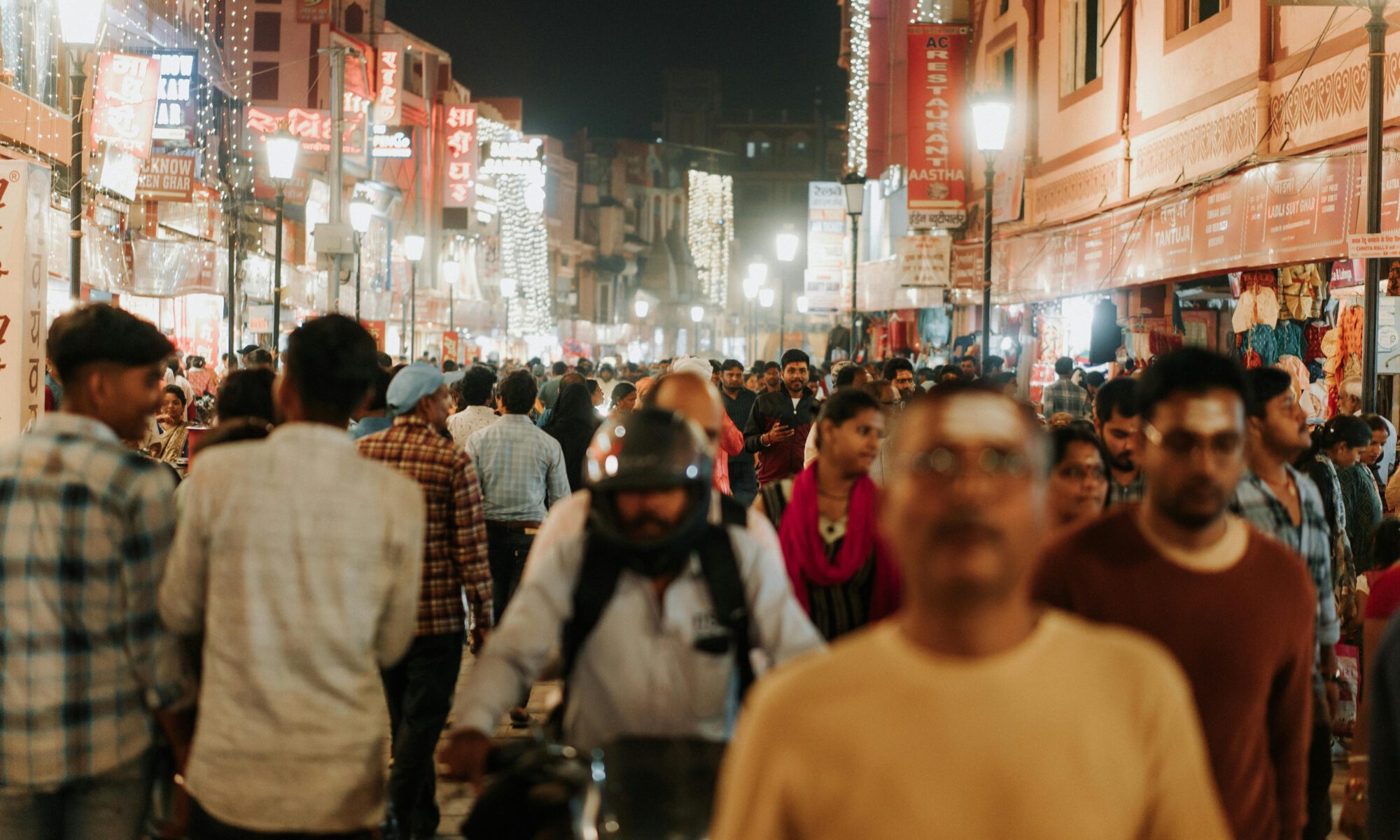
Best markets in Mumbai to go on a shopping spree

From vibrant flowers and fresh fruits to elegant antique pieces and household items, these popular markets of the city have everything you are looking for

In the era of huge malls and designer stores, some markets in the city have managed to keep their charm and their crowd. People coming from all around the world to these markets have turned them into popular tourist places. Therefore, apart from a satisfactory shopping experience, these markets are great for sightseeing and multiple tour companies provide guided walks and tours in these markets.

Dadar Phool bazaar
With a huge variety of flowers coming from all around the state, the Dadar Phool Bazaar is one of the largest wholesale flower markets in the city. The market opens at around 4 am and is most active in the early morning hours till 9 am. Local vendors from all over the city prefer buying flowers from this market as they are good quality and fresh and are sold at lower rates. The vendors then make garlands and sell them locally at higher rates to earn a profit. “The demand for orange and yellow marigolds is very high during the festive seasons, especially before Dussehra and Diwali. The types of flowers you find in Dadar market range from the local flowers like roses, marigolds or hibiscus that are cheaper compared to imported varieties like tulips and peonies which are costlier,” comments Rekha Patel, a local flower vendor. Even if you are not a flower vendor, this market is worth a visit for the vibrant sights of various colourful flowers arranged systematically in different patterns.

Chor bazaar
A one-of-a-kind flea market, the Chor Bazaar was infamous for having stolen products on sale, but it is not entirely true as today, most of the products here are second-hand rather than stolen. Chor Bazaar is famous for antique pieces that can add great character to your house as home decor pieces. Some of such products are gramophones, vintage cameras, small trinkets, unique lamps and clocks, bronze statues, bollywood movie posters, distinctive doorknobs, etc. Chor Bazaar is the place to go if you can’t find a car spare part anywhere or to buy power tools like drills, nail guns, electric saws, etc. Kshipra Shete, an amateur photographer, reveals, “The chaotic atmosphere and messy shops make a great frame for aesthetic street photography making the market a popular destination for photo walks. As the market is usually crowded, there is a risk of pickpocketing so visitors should stay alert.”

Crawford market
One of the few closed markets of the city, the construction of this Gothic structure was completed in 1869. Named after Arthur Crawford, the first municipal commissioner of the city, the Crawford market is now officially renamed as Mahatma Jyotirao Phule Market to honour the great social reformer. The market has now grown even in the areas surrounding the structure making it one of the largest markets in the city. The main attraction of the market is the variety of fresh fruits and vegetables, but visitors can also find a variety of crockery, stationery, dry fruits, nuts, toys, imported foods, etc in this market. The ‘Mirchi Galli’ in the Crawford market is where you will find a range of spices and chilies from all around the country.

Colaba Causeway market
The best destination for shopping enthusiasts who love budget shopping, Colaba Causeway is the busiest street market in the city. From clothes, accessories, and footwear to handicrafts, crystals, and perfumes, this market has something for everyone. If you get tired from all the shopping, refuel at the iconic cafes which are along the market. The Colaba Causeway is frequented by tourists as there are several major tourist attractions of the city like the Gateway of India and the taj mahal palace hotel within walking distance of this market. Lakshita Borkar, a college student, shares, “You need to have strong bargaining skills while shopping at the Colaba causeway as there is a high scope to reduce the cost of all products. Some of the must-buy items at the market are junk jewellery, purses and handbags, casual clothes, and handicrafts.”

Book Street
If you are a bibliophile, this is the perfect place for you. High stacks of books arranged on the street next to the flora fountain, the book street of Mumbai has everything from poetry to academic books. You give the vendor a name of a book and he will pull it out from the wall of books within seconds. You can find both, the age-old classics, and the newest bestsellers in this open market. “You can buy brand new as well as second-hand books which are also in great condition. If you are looking for a book you cannot find online or in bookstores, you should give the book street a chance as they have a wide variety of books and at cheaper cost,” emphasises Omkar Govare a college student. 

So, instead of visiting a mall or store next time give these markets a chance to grab great products and produce at reasonable rates and to have a complete shopping experience.

400 Residents Evacuated as Mithi’s Water Level Closes Danger Mark

Water level of Mithi River rose up to 3.9 metres due to heavy rains, caused flooding in the low-lying areas of Kurla’s Kranti Nagar.

Mumbai reeled under relentless rain for 48 hours through Monday and Tuesday, recording more than 300 mm of rainfall in the 24 hours on August 19, 2025. The downpour triggered flooding and severe waterlogging across the city. The situation worsened as a high tide prevented drainage back into the sea, leaving several low-lying areas submerged.

At a press briefing, Police Commissioner Deven Bharti, Guardian Minister MP Lodha, and Municipal Commissioner Bhushan Gagrani confirmed that the Mithi River’s water level rose to 3.9 metres, only a few centimetres short of the danger mark of 4.2 metres. “Floodwaters breached the riverbanks and entered the slums of Kurla’s Kranti Nagar. Authorities swiftly evacuated around 400 residents, relocating them to Maganlal Mathuram Municipal School, where food and basic facilities were arranged,” said Gagrani.

The Mithi River, vital for stormwater management, has long been at the centre of Mumbai’s monsoon struggle. Civic officials admitted that only 75 percent of the pre-monsoon desilting work was completed this year, leaving the river prone to overflow. The swelling waters once again exposed gaps in the city’s preparedness against extreme rainfall events.

Residents who returned home after the evacuation reported losses of ration supplies, damaged electronics amounting to around ₹5,000 per household, and waterlogged homes covered in silt. Some families complained of fever and respiratory infections after staying back in floodwaters to protect their belongings. Snakes and reptiles were spotted inside flooded homes, forcing residents to stay outdoors amid long electricity outages.

While BMC officials said pumping stations were operating at full capacity, urban planners reiterated that clogged drains, unregulated construction on floodplains, and delays in desilting worsened the impact of heavy rainfall.

The incident underscores Mumbai’s recurring struggle despite crores spent on flood mitigation, each intense downpour continues to cripple the city and displace its most vulnerable residents.

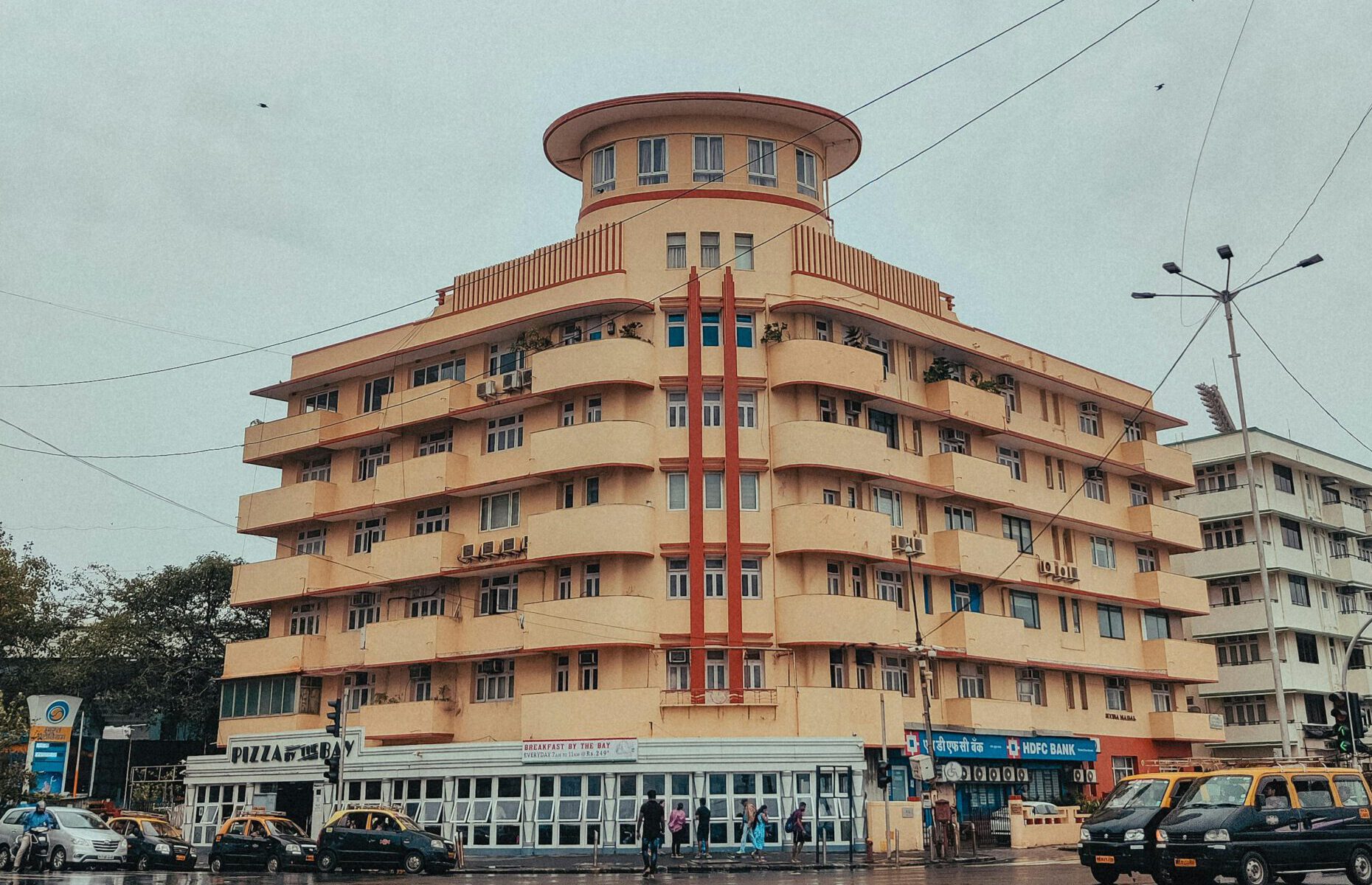
Revisiting The Retro Mumbai: A Dive into the City’s Art Deco Legacy

The students of Xavier Institute of Communication were accompanied on a journey down memory lane by Suhasini Krishnan, Associate Director of Art Deco Mumbai Trust, a non-profit organisation working in preserving the Art Deco style of architecture in the city. The lecture began at 11:30 am with the question ‘Where did Art Deco begin?’ Suhasini explained the origin of the style, which was in 1925 at an Exhibition of Modern Decorative and Industrial Arts in Paris. Experts from all over the world gave their interpretation of ‘Modern Architecture’, which gave rise to the Art Deco.

Moving on to its emergence in the city of Bombay, she explained the factors contributing to the city adopting it. “To accommodate the growing middle-class population, the back bay area of the city was reclaimed”, said Suhasini. She added, “And with the upcoming cement marketing companies, the style of architecture was adopted in parts of the city along the coast as cement was a primary material used in Art Deco constructions.”

It is a common misconception that the Art Deco style of architecture is only found in the Southern parts of Bombay. Suhasini showed a map of the city, which proved this wrong as it indicated that the highest concentration of Art Deco buildings is in Dadar (192) and Matunga (160). The next three places in the top areas were Fort, Bandra and Sion.

Further diving into the characteristics of the Art Deco style of building, she explained how it uses tropical features of the location these structures belong to in the decorative details. Suhasini presented pictures of a few examples, like the Sunshine Building and the Rajjab Mahal at Oval Maidan which feature stylised sunrays. The tropical features like waves, sunrays, moon, flora and fauna of the region are depicted through the grills and intricate sculptures. One iconic Art Deco building is the Shiv Shanti Bhuvan, whose highlight is the symmetrical sunshades (chajja). The residents of this building collectively decided to only get a window AC to maintain the aesthetics of the street-facing façade of the building.

The city also boasts this style of architecture in splendid recreational centres like cinema theatres. Suhasini named a few like Regal, Eros, Liberty and Metro. She mentioned, “Art Deco style is not just about the facade of the structure. It is also about the interiors of these structures that tell a story.”  Highlighting the thoughtfulness of the architects and designers, she stated how these structures, which were built in the 1930s, have facilities like lifts and headphones attached to theatre seats.

The lecture ended with a short question and answer session where students asked their queries about the Art Deco architecture. Suhasini distributed a bookmark and a map of the Art Deco structures in Mumbai printed by the Art Deco Mumbai Trust. The lecture truly encourages the class to explore the architectural heritage of the places around the city.

Mumbai’s dream of a greener tomorrow

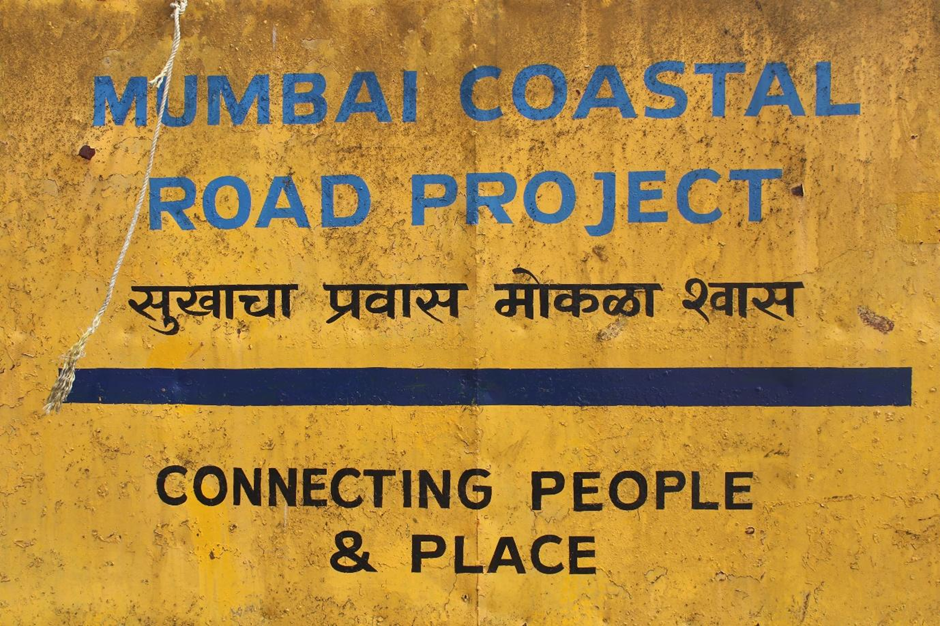
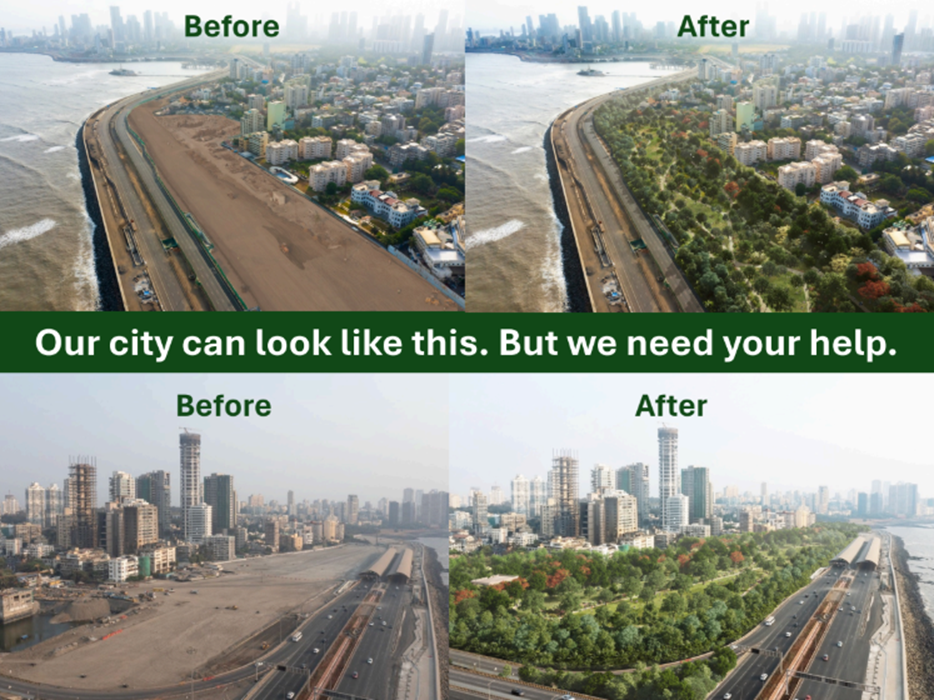
The recently inaugurated elevated nature trail walkway at Malabar Hill and its popularity among the citizens is a testament to how the people of this city cherish its green spaces. A similar demonstration of love for nature was observed as a group named ‘Mumbai Coastal Forest’ started an online petition in February, addressing PM Narendra Modi, CM Devendra Fadnavis, DCM Eknath Shinde and BMC Chief Bhushan Gagrani, to build a forest cover along the newly opened Mumbai Coastal Road. The team of MCF includes climate experts, architects and residents who deeply feel that this is an opportunity to transform the city and fight back against many environmental issues. 

The underdeveloped land along the Coastal Road is soon to be landscaped by the BMC, this project has been awarded to Reliance under Corporate Social Responsibility (CSR). While talking with M. M. Swami, Chief Engineer Mumbai Coastal Road Project, about BMS’s suggested plan for the empty land, he mentioned some of the propositions made by the city planners and architects during a one-day workshop in April 2023 while creating the coastal road landscaping plan. (Video IMG_8265) He said, “After our studies and research we have a few conditions like building a biodiversity park and butterfly garden that we will be suggesting for implementation.” (The link to video IMG_8257)

(A screenshot from the MCF summary)

The need for green space is higher than ever in the city today. “The per capita requirement for green space in the city is far lower from what is needed. Therefore this proposal of a coastal forest can definitely help the city,” informs M. M. Swami. A native forest, unlike gardens and parks, does not require much maintenance and is more sustainable. Nature treats everyone equally, therefore, we interviewed people of Mumbai from different demographics. Here is what they had to say about the need for such a space and the issues it will help tackle. (Link to a compilation of people talking about the need) The list of environmental impacts we are fighting today is a long one. Check out this article detailing about the city’s fight with ecological concerns. 

We asked Arushi Shah, a volunteer at Mumbai Coastal Forest, about their next step to push this movement forward. (Hyperlink to Arushi video) “As the residents and users of this public land, we are open to collaborate with all the stakeholders involved in the process including the private company that will be taking this plan ahead,” she said.

This initiative, if implemented, will give a boost to the Mumbai Climate Action Plan launched in 2022, to mitigate the impact of climate change. Mumbai is the city of dreams, and the future of this city is demanding a greener tomorrow.

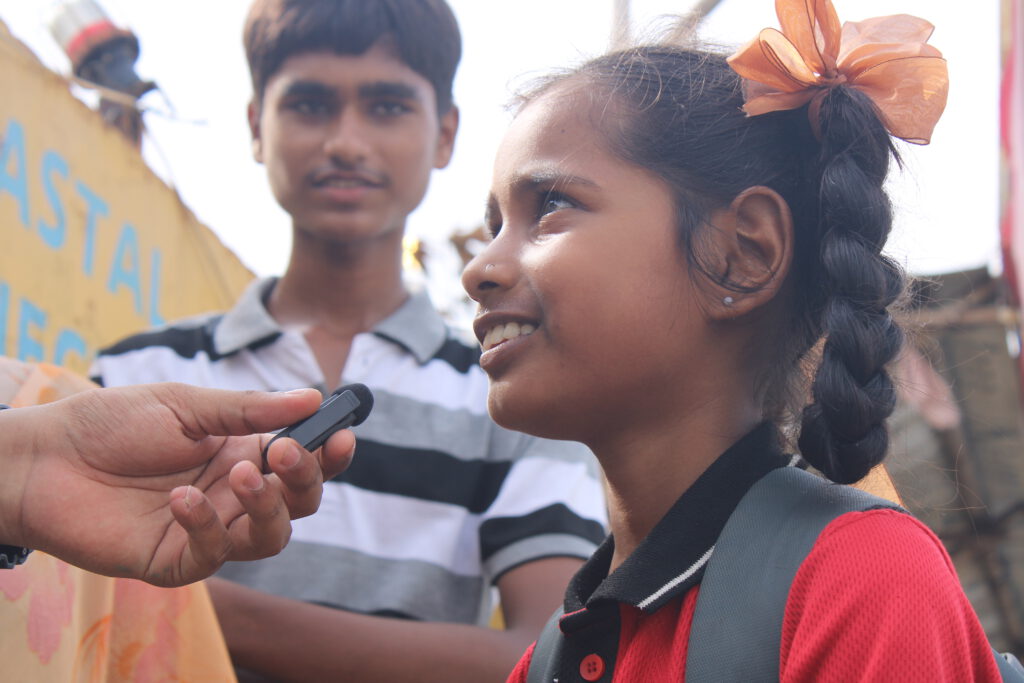
(Click here to view the interview of a 10 year old girl on the Coastal Road)

A journey from darkness to becoming the light

I lost my eyesight when I was 5 years old. A severe fever turned into meningitis, and because we lived in a small village in Latur, there was no treatment. Overnight, everything changed. For the next 12 years, I stayed home, cut off from the world outside. Eventually, I was admitted to a blind school in Mumbai. That hostel became my turning point. It gave me independence and taught me how to live without relying on anyone.

After my 10th, I moved to a regular college. Suddenly, I was alone again. Nobody spoke to me, I couldn’t study properly, and I had to constantly depend on others to read or write for me. It was humiliating. But in 12th, I heard about a course in social work. The thought of helping others clicked something inside me. I decided that this was my path. It took five years of hard work and struggle, but I completed my Master’s in Social Work from TISS. That dream I had back then? I’m living it today.

For the last 12 years, I’ve been working as a Social Service Superintendent at J.J. Hospital. I set up the Disability Information Board there, where patients get guidance about rehabilitation, government schemes, NGOs, financial help, and assistive devices. My cabin opens at 9 AM, and every day, people walk in looking for help. Sometimes, they doubt me, “Can you help us? Is there anyone else here?” They can’t comprehend that a blind person could guide them. But when they walk out with answers and hope, that’s my favourite part of the job.

Outside of work, I fought another battle. I filed a PIL against the Railways. That case changed travel for the visually impaired across India. Today, we have guiding paths, beepers at compartments, warning tiles, lifts, and escalators. However, it still hurts when able-bodied people occupy handicap compartments, but it’s a start.

Over the last 20 years, I’ve received 18 awards at state and national levels for my work in Human Rights under disability, but the real reward is when a person with a disability walks up to me and says, ‘Because of you, my life is easier.’ That feeling is unmatched.

I also started my own NGO, the Blinds Unity for Self Sufficiency. We work across Maharashtra for education, employment, rehabilitation, and medical support. We even run a WhatsApp helpline, ‘Be With Me,’ where volunteers help people with disabilities according to their needs.

Sometimes, when I listen to music or make handicrafts, I think of the 5-year-old boy who lost his vision and spent 12 years confined at home. I want to tell him: ‘Don’t worry. You will find your way. And one day, you’ll help thousands find theirs too.


Raju Waghmare,
Social Service Superintendent at J. J. Hospital

Narrative strokes: Graffiti and street art in the city

The vibrant soul of our dynamic city can be witnessed in some of the popular neighbourhoods of Mumbai known for walls painted with stories. Let us dive deep into the world of graffiti and listen to what artists have to say about this modern form of craft

A medium to express, educate, and embellish, the quirkiness of graffiti art or street art is being adored by art enthusiasts all over the world. It is no surprise that Mumbai, the vibrant and bustling art capital of India, is at the forefront of this creative revolution. Many old buildings, broken walls, and narrow streets of the city are being transformed into canvases by local as well as international artists. Let us take you to the colourful corners of the city which offer an opportunity to explore this free-of-cost display of pure skill and talent. 

Making streets the main character
Street art is all about bringing the dull and grey streets of the city to life with strokes and sprays that narrate different stories. The pop of colour in graffiti and murals enhances the look of the structures, beautifying the whole area. “We are often questioned by curious passersby about our work. But when they realise, we are helping in the beautification of the streets by covering the spit marks or vandalism and making the mossy and broken walls more attractive, they are more than happy to help us. They click pictures in front of the artworks and some even sponsor paint and offer us more walls as canvases,” shares Sanskar Sawant, founder, and creative director at a design studio. It has been observed that walls with artworks tend to have lesser spit marks proving to be an effective solution to keep the surroundings clean.

Walls that tell stories
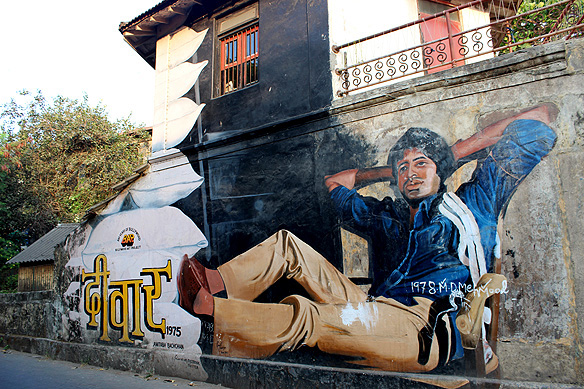
The number of art galleries and museums in Mumbai signifies the city’s love and dedication to art and culture. From local communities and traditional art forms to Bollywood legends, these colourful masterpieces pay tribute to many such aspects that give the city its identity. Highlighting how street art captures the essence of city life, Vaishnavi Sawant, an art student, comments, “Most of the time, the street artists make local vendors, postmen, milkmen, shopkeepers, policemen, teachers, bus drivers and many more faces and personalities as their muse. This makes these people, who are an important part of society, feel seen and adds an authentic feel to the art. Bringing communities and societies together is something artists have been doing for a long time, and I think graffiti artists will keep doing so through their artworks.”

Colour for a cause
Art can be used to bring a change in the society. Several welfare organisations have been using this power of art to change people’s conceptions. According to Saba Hemani, project head at a non-profit organisation that beautifies the slums of Mumbai by painting them, Art holds the power to start conversations and convey messages. She says, “We have painted railway station walls and hospital compounds with messages and art that address mental health issues and suicide prevention and the stigma around it which generated awareness to speak about such issues openly. Similarly, we have covered environmental issues like pollution by starting a campaign to say no to plastic on the streets of Bandra.”

With a huge area of the city covered by slums, they consist of the major part of our population. However, people have a preconceived notion about these areas and street art has proved effective in changing it. “Street art has bridged the gap between the people from the two communities living different lifestyles. Apart from this, these projects have helped to bring media attention to such areas making them a tourist attraction and a popular shoot location, generating income for the locals in return,” Hemani adds.

Various neighbourhoods of the city are painted with stokes that tell stories. “Art enthusiasts can visit Carter Road to spot the iconic cinema scenes, hit the funky skater park in Bandra, skim through the cool doodles and graffiti at Marol Art Village or watch the larger-than-life artworks at Sassoon Docks,” reveals Darshan Srivastav, a graffiti artist.

So, escape the monotony of everyday life and go around the city to gaze at the splashes of colours and chronicles.

Seasoned destinations: Places in India known for their spice markets

From the subtle saffron to intense pepper, India grows a wide range of spices known to be the finest around the world. Read on to travel through the country and learn more about the piquant specialties of each region

Indian food is one of the world’s most flavourful cuisines owing to the variety of spices used in it. Several states in India are known for their large-scale production and export of spices. Let us embark on the spice route from North to South and visit the destinations known for their strong tastes and aromas.

Revel at the saffron capital
Known for its scenic beauty that lends it the moniker of paradise on earth, Kashmir is also popular as the producer of the best saffron in the world. The spice, also known as red gold, is grown in large quantities in the Kashmiri town of Pampore. During the harvest period of October to November, the never-ending saffron fields can be recognised from a distance by their vibrant shades and by the sweet smell of the flowers. Visitors can partake in the annual Saffron festival and engage in various activities, such as traditional saffron picking, cultural performances, and handicraft exhibitions. Do not forget to indulge in the assortment of Saffron-infused dishes like teas, pulav, and curries at this festival.

Taste the royalty
One of the most popular tourist destinations in India, Jaipur is thronged by visitors for its palaces and forts. Another aspect that lends the city its popularity is the rich Rajasthani cuisine known for the generous use of spices. Despite the dry weather, spices like coriander, cumin, fennel, fenugreek, and cloves are produced largely in the state. Moreover, the Mathania chilli of Rajasthan is exported all over the country in truckloads. Rajasthani cuisine is also known for its delectable pickles and chutneys which make the meal exciting and aid in digestion.

Enjoy a seasoned stay
Along with the pristine beaches, Goa is also known for its natural wealth and rich culture. The Ponda city, often regarded as the Hindu heart of Goa due to the five important temples situated around the region, is popular for its spice farms. Spices like pepper, chilli, cloves, cinnamon, and cardamom are grown in large plantations along with other cash crops like areca nuts, cashew nuts, coconuts, and tropical fruits. Some of these plantations combine spices and tourism in a unique concoction and provide the travellers with accommodations that allow them to enjoy a tranquil stay amidst the lush greenery.

Land of authentic flavours
The whole state of Kerala is known for top quality spices like pepper, cardamom, clove, cinnamon, nutmeg, ginger, and turmeric; but Kochin is the place where you will get a whiff of the strong exotic aroma of spices emanating from the warehouses lining the streets. While in Kochi, tourists can visit the Paradesi Synagogue, Dutch Palace, and Bolgatty Palace and end the day at Fort Kochi viewing the Chinese fishing nets while enjoying the scrumptious local dishes for dinner.

So, while visiting these states, take a halt at these spots to shop for the spices and pack the flavours of these destinations to bring back home.

India, a wellness wellspring

Along with diverse destinations ranging from remote villages to exotic wildlife trails and hill stations to beach resorts, India presents de-stressing services encompassing overall well-being. Let us explore some unwinding options that make India a hotspot for wellness tourism

Wellness is no longer an indulgence; it is a necessity as people live a fast-paced life. Prioritising personal well-being has become a norm with individuals seeking destinations that align with their health goals and sustainable lifestyle choices. As the tourism industry around the world sees a rise in wellness travel, here is how India welcomes travellers seeking rejuvenating vacations with its ancient knowledge of Yoga and Ayurveda, combined with its scenic beauty.

Hubs of holistic wellness
Luxury spas and resorts in India are popular globally for their revitalising treatments, pampering hospitality, peaceful ambiance, and unrivaled bliss. Nikhil Kapur, co-founder, and co-director of a luxury wellness centre in Maharashtra, shares, “Wellness travellers are looking beyond just spa treatments and recreation; they are in search of deeper, meaningful, and life-altering transformative experiences. Therefore, retreat destinations today help the guests embark on a journey of improving their health by way of an integrative wellness approach that incorporates mindful eating, emotional health, sleep, self-reflection, and social support.” India boasts numerous luxury spas and wellness resorts that offer a range of treatments, from traditional Ayurvedic massages to international spa therapies.

Solace at the shore/ Sun, sea, and solitude
Blessed with a long coastline, India is home to pristine beaches with clear blue waters and spotless white sands. “Coastal destinations provide a serene backdrop for mindfulness and meditation practices along with breathtaking natural landscapes thus making them ideal for wellness seekers. Moreover, beach resorts with yoga and meditation facilities allow travellers to not only reduce stress but also connect with nature,” shares Rajeev Kale, president, and country head at a travel company. Travellers no longer need to look across the border for a peaceful coastal getaway, as destinations like Goa, Maharashtra, Karnataka, or the islands of Andaman and Nicobar and Lakshadweep feature many secluded beaches that set the stage for tranquil experiences.

Healing in nature
The country is adorned with diverse landscapes with mountain ranges covered with lush greenery, serene lakes, and isolated villages. Understanding the potential of these natural marvels, many properties around such destinations have started to offer accommodation services. Tejas Mathur, owner of a farm stay in Maharashtra, shares, “Farm stays, eco-resorts, forest resorts, lake or riverside accommodations are some of the popular stay choices among nature lovers. Such locations not only provide stunning views and an escape into nature but also create a tranquil atmosphere perfect for romantic or relaxing getaways.” States like Maharashtra, Kerala, Goa, and Uttarakhand have the perfect settings for such retreats that enhance the overall wellness experience. Wildlife excursions and rural tourism also top the lists of wellness travellers for unique experiences.

Inhale peace, exhale stress
Owning its title as the birthplace of Yoga, India is speckled with various Yoga ashrams, schools, and meditation centres that have mastered this ancient practice. Destinations like Rishikesh, Varanasi, and Kerala possess serene environments for yoga and meditation retreats. Many wellness resorts and ashrams have experts who provide structured and customised programs to promote mental and physical well-being. Daniel D’Souza, president and country head of a travel agency, states, “Yoga plays an instrumental role in driving India’s tourism forward, attracting travellers from around the globe and boosting tourism revenue, all while highlighting the country’s rich cultural heritage and diverse wellness offerings.”

So for your next holiday, sign up for a rejuvenating time in the country that shines as a beacon of global wellness due to its rich heritage steeped in holistic wellness practices, a tapestry of cultural traditions highlighting wellness, its abundant natural resources and a pool of wellness experts.

Local destinations with foreign feels

India with its unique geographical features can rival many foreign destinations. Let us travel from North to South to discover some of the locales that are as beautiful as their international counterparts

Travelling to foreign locations with spectacular landscapes and picturesque visuals is a dream for many globetrotters. While international travel is ambitious, it also puts a dent in our pockets and requires a longer vacation. As Indians, we are blessed with several tourist places with diverse geography and rich cultures within the country that are no less than any overseas destination. Here are some of the examples that testify to India’s treasure trove of tourism.

Paradise on earth
Known for its chocolates, watches, and scenic beauty, Switzerland is a sought-after destination for many when planning a holiday. However, the Swiss landscapes of snow-clad mountains, rolling flower beds, serene lakes, and quaint meadows are some views that can also be found in Kashmir, at a much lower budget. Apart from staying at the luxurious houseboats, riding a Shikara on the Dal Lake and visiting the gardens to witness colourful blossoms, adventure enthusiasts can go skiing in Gulmarg known for its soft snow that is perfect for the sport. With its feathery, high-altitude snow and one of the highest cable cars, skiing in Gulmarg is as thrilling as skiing in the Alps. Visit Kashmir during the months of March to August to experience two seasons- Spring (March to early May) and Summer (early May to late August). However, if you plan to ski in Gulmarg, January to March would be a more suitable period for you.

Soak in the flower power
Pristine trekking trails passing through a valley of diverse flowers against the backdrop of majestic mountains; This description of the Antelope Valley in the USA also goes for our very own Valley of Flowers in Uttarakhand. A national park encompassing 87 square kilometres, The Valley of Flowers is home to over 600 exotic species of eye-catchy flowers like orchids, poppies, primulas, marigolds, daisies, and anemones that together create a scene out of a fairytale. Along with the flowers, the park shelters a range of wildlife including leopards, Asiatic black bears, musk deer, blue sheep, and many rare birds making it an ideal destination for wildlife exploration and bird watching. Kumar Gaurav, head of operation and marketing at a travel company in Uttarakhand, shares, “The park is only accessible on foot to conserve its delicate ecosystem. Covered with snow on other months, the park is open only from June to October for visitors with mid-July to mid-September being the best months to witness the most blossoms.”

The great Indian desert
If you are looking for an otherworldly experience for your next vacation, a desert safari is the best option for you. Even though the glorious Thar desert is much smaller than the vast Sahara Desert, it offers equally exciting experiences. According to Alisher Khan, a tour operator in Rajasthan, visitors can participate in a range of desert activities at Thar. He shares, “Exploring the dunes like a local on a camel safari, feeling the thrill and excitement of jeep safari and quad biking, and showing off your skills while sandboarding are some of the activities tourists can enjoy at Thar. Another popular choice is stargazing as the undisturbed expanse of the desert and minimal light pollution offer clear views of the night sky. Moreover, the cultural richness of the desert can be explored on the local village tours offered by resident travel companies.” Plan your visit during the winter months of October to February to avoid the extremely hot summers of the desert.

Sipping on nature’s allure
It doesn’t matter if you are a tea person or a coffee person, rows of mountains covered with manicured tea plantations is a refreshing sight that will leave anyone mesmerised. Such views can be found at the Tea Gardens of Cameron Highlands in Malaysia and Munnar Tea Plantations in Kerala, the latter being a perfect option for budget travellers looking for unique experiences on their itinerary. Manoj Kummar, CEO of a travel company in Munnar, informs, “Catering to people looking for experiential travel, many tea factories in Munnar offer tours that follow the journey of tea from the plants to cups. Such tours include a trip to tea plantations, interaction with the local tea pluckers, and a visit to a tea factory to taste the various flavours of tea.” To witness the natural beauty of Munnar, tourists can also visit Eravikulam National Park, Lakkom Waterfalls, Viripara Waterfalls, and Anakulam elephant village. The winter months of October to February are considered the best time to visit Munnar because of the low temperatures and numerous outdoor activities. So, embrace our country’s natural bounty and plan your next trip to these enchanting Indian destinations that rival foreign locales and save yourself from spending a fortune.